

“Our goal is to unify a conservative front to push back against what has become a one-party, progressive, and increasingly socialist Bronx. It is deeply concerning that the Bronx Republican Party’s leadership, whether through ineptitude or worse, is putting the 2026 election cycle and its candidates at risk.”
This statement from Bronx Conservative Party Chairman Patrick McManus sets the tone for what many are now seeing unfold across multiple races. At a time when unity is essential, the pattern emerging is one of missed opportunities, internal obstruction, and avoidable failure.
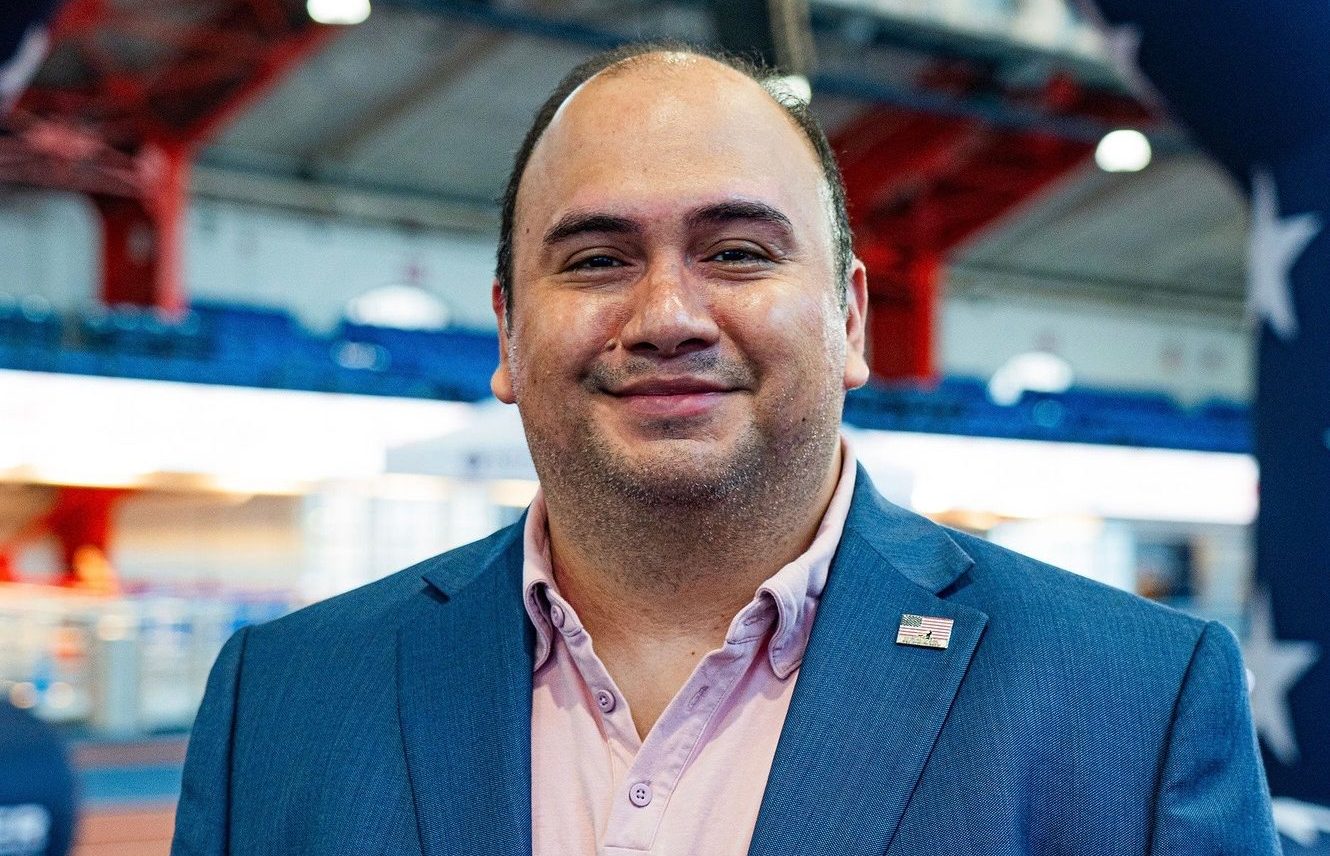
In the NY-15 Congressional race, one of the most visible challengers to the current political direction has been Gonzalo Duran, whose platform has consistently pushed back against the rise of socialism in the Bronx. Over the years, he has helped increase the visibility and viability of both the Republican and Conservative parties in the borough. In last year’s New York City Public Advocate race, he received over 490,000 votes on the Republican and Conservative lines, the highest total for any of our citywide races. Despite that momentum, internal dynamics have limited what should have been a more unified and coordinated effort moving into this cycle.
The same pattern is evident in the State Senate races. In District 34, Republican candidate Adrian Romero, and in District 36, Conservative candidate Grace Marrero, each failed to secure placement on the Republican ballot due to ineffective petitioning efforts. Separately, late paperwork submissions led to the disqualification of all conservative candidates from the Republican line, significantly advantaging their Democratic opponents.
In Assembly District 86, the situation becomes even more concerning, impossible to ignore, and the reason to speak out. Republican candidate Shery Olivo, who has worked to build a credible presence in the South Bronx, helped establish a Republican club, a base, and a reputation through consistent effort, was not only challenged but ultimately replaced with a paper candidate. This decision, driven more by internal conflict than strategic thinking, undercuts the very growth the party claims to support.
These are not isolated incidents. They reflect a recurring failure in cooperation and execution.
While these candidates will still appear on the ballot because of the Conservative Party line, the absence of coordinated support all but guarantees a stronger Democratic advantage.
All of this was enacted through weak petitioning, internal disputes, and leadership decisions that appear more focused on personal grievances than long-term progress. When viewed together, the pattern is clear.
The Bronx does not lack the will to fight back. It lacks leadership willing to lead.
Republican need to stop pushing people out to run that not prepared i work for years as independent contractor consultant and I seen how these candidates didnt even had a line why there running the get implants and sabotage disguised as volunteer best thing you can do get boots on the ground by yourself and witness your own dam petition so if challenges you can sue the shit out of them and since your collecting them you can bring your voter too court .
This is a powerful statement of truth and I support you, Gonzalo Duran.