

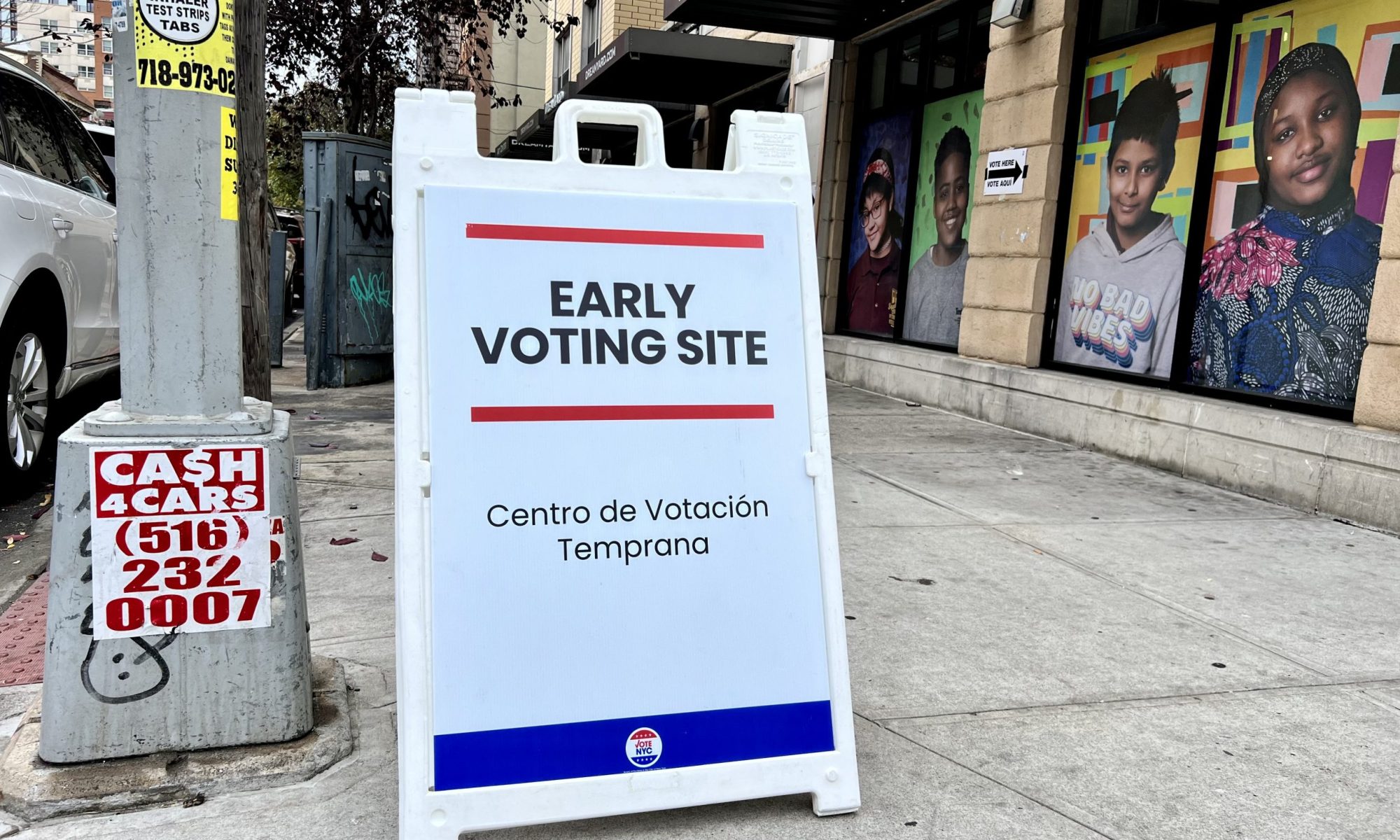

Recently, I was asked, alongside Senator Chuck Schumer and others, to share my thoughts on the Voting Rights Act (VRA) and its 60th anniversary. Here is Part 2 of the article: https://amsterdamnews.com/news/2025/07/17/the-unfinished-march-the-struggle-to-preserve-voting-rights/
For those who may need a refresher, the VRA remains one of the most consequential pieces of legislation in American history.
Signed into law by President Lyndon B. Johnson on August 6, 1965, the Voting Rights Act was designed to enforce the 15th Amendment and ensure that racial minorities, particularly in the South, could fully exercise their right to vote. It targeted longstanding barriers that had been used to suppress participation and introduced federal oversight in jurisdictions with a documented history of discrimination.
Our nation’s electoral history is not without flaws. For decades, discriminatory practices limited access to the ballot. The VRA addressed those failures directly and, over time, helped move the country toward a more inclusive and accessible voting system.
At the same time, I believe election integrity remains essential. Measures such as voter identification continue to be part of the broader conversation, especially as concerns about system vulnerabilities are raised. As a party leader and someone who has worked to increase voter and civic engagement, I have seen firsthand both the progress that has been made and the areas that still require attention.
I also want to clarify a point from the discussion. There were some discrepancies in how language access was described, and I misspoke. The New York City Civic Engagement Commission (CEC), along with NYC polling sites, provides 11 languages across the city based on community needs, with Spanish federally mandated across all boroughs. I previously covered this in an article after speaking directly with CEC leadership.
Key Components of the Voting Rights Act of 1965:
• Elimination of Literacy Tests: The law banned literacy tests and similar practices used to block Black citizens from registering to vote.
• Federal Oversight (Section 5 Preclearance): Jurisdictions with a history of discrimination were required to obtain federal approval before making changes to voting laws.
• Federal Election Examiners: Authorized federal officials to register voters in areas where discrimination was widespread.
• Section 2 Protections: Prohibits any voting practice that diminishes the voting power of minority groups.
• Language Assistance: Requires election materials and assistance in languages other than English in designated areas.
Impact and Legacy:
• Dramatic Rise in Registration: The Act led to an immediate increase in voter registration, with approximately one million additional Black voters registered in Southern states between 1964 and 1968.
• Increased Representation: The number of Black elected officials in key Southern states rose from fewer than 100 in 1965 to over 900 within a decade.
• Ongoing Legal Evolution: The law has been extended multiple times in 1970, 1975, 1982, and 2007. In 2013, the Supreme Court ruled in Shelby County v. Holder that the Section 4(b) coverage formula was outdated, effectively limiting the enforcement of preclearance.
The Voting Rights Act was passed in the wake of intense civil rights activism, including the demonstrations in Selma, Alabama. Its legacy continues to shape the national conversation on voting rights, access, and election integrity.